I. Project Aura: North Sea Wind Optimization
1. Project Aura was initiated in 2023 as a direct response to the massive operational costs associated with offshore wind maintenance. Located 150km off the coast of the Netherlands, this 60-turbine array faced extreme saline environments and unpredictable gale-force winds. Cybrix was tasked with implementing an AI-driven predictive maintenance layer to reduce the reliance on emergency helicopter-based repairs.
2. Our approach involved deploying a specialized "Neural-Fluid" model. Unlike standard vibration sensors, our AI analyzes the microscopic fluctuations in turbine rotation and blade pitch to detect structural fatigue weeks before it manifests as a hardware alarm. This required processing billions of data points in real-time on edge-computing clusters installed directly within the substation.
3. The first six months focused on data ingestion. We had to account for the unique "wake effect" where forward turbines disrupt the wind flow for those behind them. Our model learned to orchestrate the entire fleet as a single organism, adjusting the yaw of lead turbines to optimize the wind capture for the entire array, a feat previously thought too complex for automated systems.
4. By mid-2023, the system flagged its first critical anomaly. Turbine #42 showed a "spectral shift" in its gearbox audio, a sound too subtle for human technicians to hear even during routine checks. Our model predicted a catastrophic failure of the main bearing within 14 days. This allowed the operator to schedule a repair during a calm weather window, saving an estimated $2.4 million in emergency vessel fees.
5. As the project matured, we integrated local weather forecasting directly into the turbine control logic. Instead of reacting to wind gusts, the turbines now "anticipate" them, adjusting their pitch milliseconds before the gust hits. This reduces mechanical strain on the blades by 18%, significantly extending the operational life of the hardware in the harshest conditions on Earth.
6. The environmental impact of Project Aura cannot be overstated. By reducing downtime, we increased the annual energy production (AEP) of the site by 6.5%. That surplus energy is enough to power an additional 12,000 homes entirely through green power, proving that efficiency is just as valuable as generation capacity in the renewable race.
7. Data sovereignty was a major hurdle. Working with national energy providers requires the highest level of security. Cybrix implemented a decentralized AI architecture where learning happens locally, but "insights" are shared across the fleet without ever transmitting raw operational data over public channels. This established Project Aura as a benchmark for secure industrial AI.
8. The financial results were staggering. Over an 18-month period, the operator reported a 22% reduction in total operating expenses. The ROI for the Cybrix integration was achieved in less than 9 months, an unprecedented timeframe for large-scale energy infrastructure projects. This success has led to a multi-year contract to roll out Project Aura across the operator's entire Atlantic portfolio.
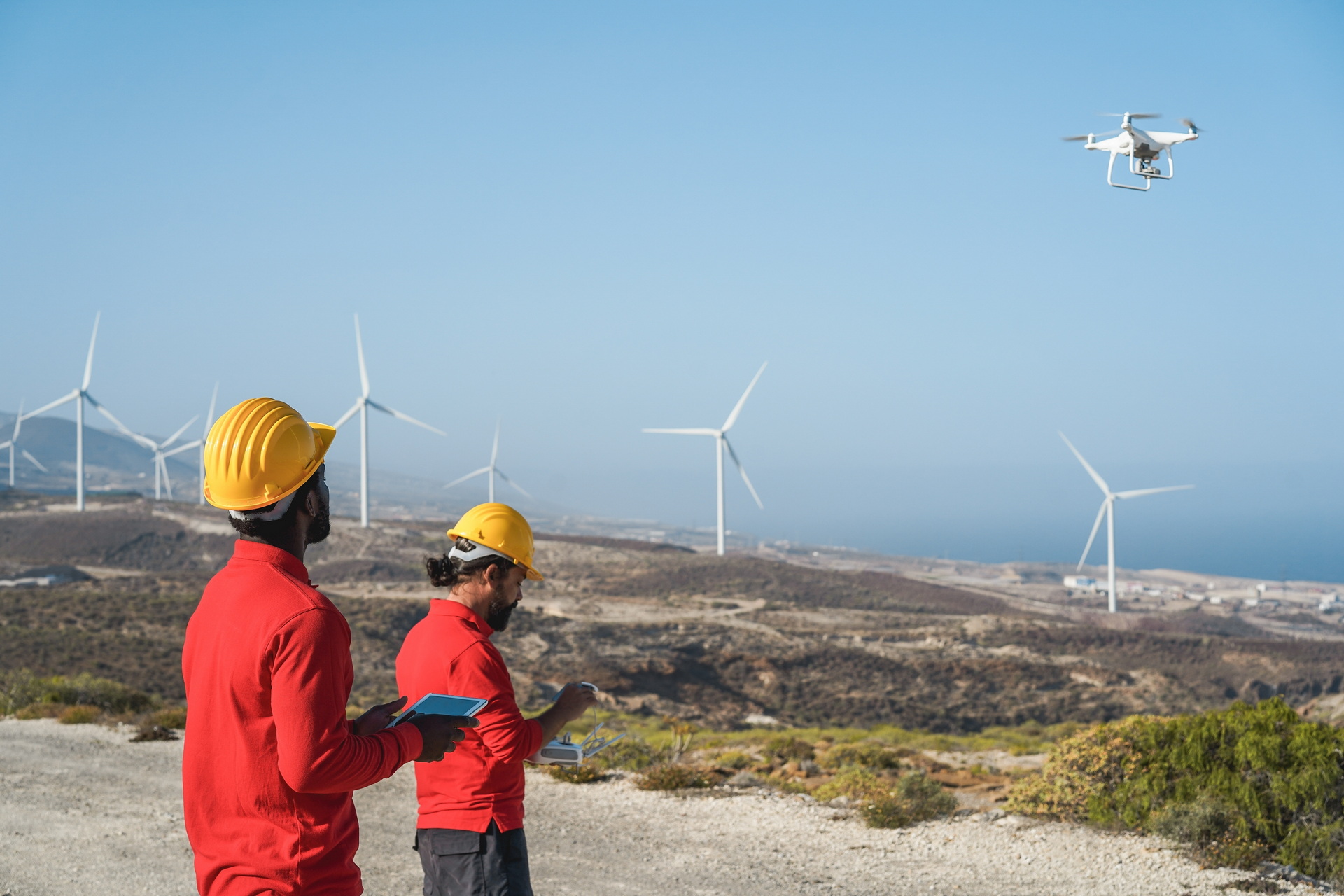
9. Today, Project Aura continues to evolve. We are now layering in drone-based visual inspections that feed directly into our neural networks, creating a fully autonomous maintenance cycle. It stands as a testament to Cybrix International's ability to turn hostile environments into predictable, high-yield energy assets through the power of high-class modeling.